


10-minute read
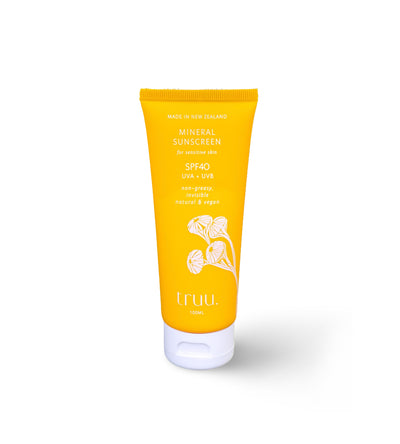
Many people searching for a moisturiser with SPF NZ option want a skincare routine that is both effective and easy to follow. Combining hydration and sun protection into a single product can seem like a practical choice, particularly for busy mornings.
At the same time, skincare professionals often recommend considering moisturiser and sunscreen as separate steps within a daily routine. This recommendation is not necessarily because moisturisers containing SPF are ineffective. Rather, moisturisers and sunscreens are designed with different primary purposes, and understanding those differences can help individuals make informed decisions about their skincare.
In this article, we explore the role of moisturisers and SPF products, how daily UV exposure affects the skin, and why separate application is frequently recommended as part of a balanced skincare routine.
Not All Sunscreen Ingredients Are the Same.
The key point about sunscreen ingredients, the broad spectrum non-nano zinc oxide protects against UVA + UVB sun damage. The non-nano form stays on the surface of the skin to reflect the damaging UV rays from the skin. This is exactly what's required. Sunscreens that get absorbed into the skin are more providing some moisturising action, but not sun protection.

Understanding the Different Roles of Moisturiser and SPF
Although moisturisers and sunscreens are often applied together, they are formulated to achieve different outcomes.
What Is the Purpose of a Moisturiser?
A moisturiser helps support the skin's barrier function and maintain hydration. A face moisturiser NZ consumers choose needs to contain ingredients that help attract moisture, reduce water loss, and improve skin texture and tone.
Depending on the formulation, moisturisers are meant to help:
-
Maintain hydration levels
-
Support the skin barrier
-
Improve skin softness
-
Reduce feelings of dryness
-
Promote smoother-looking skin
Moisturisers are designed primarily to support skin hydration and overall skin condition.
What Is the Purpose of SPF?
SPF products are designed to help protect the skin from ultraviolet (UV) radiation.
Daily SPF skincare products are intended to help reduce the effects of regular UV exposure by providing protection against UVA and UVB rays when applied according to directions.
Sun protection is an important part of a skincare routine because UV exposure can affect the skin even during everyday activities such as:
-
Walking outdoors
-
Driving
-
Gardening
-
Exercising outside
-
Sitting near windows
-
Running errands
A very important point that is often ignored is that skin that is well moisturised will not absorb the sunscreen product, that really ought to set on the surface of the skin as a shield.
Thus, applying a "moisturising-sunscreen all in one" makes it easy for the sunscreen to be absorbed by the skin, negating the critical benefit of sun protection on the surface of the skin.
Besides, there is a key factor in sun protection - the sunscreen, regardless of the SPF level, just to be applied every 1-2 hours.
By having a combined "moisturising-sunscreen all in one" creates the false sense of security that a once a day application is sufficient. This is far from optimal.
Why Daily UV Protection Matters
When people think about sun protection, they often associate sunscreen with holidays, beaches, or long periods outdoors. However, UV exposure occurs throughout daily life and this exposure is the simple moist important contributor to skin ageing. Skin damage accumulates throughout our lives.
Understanding UV Exposure
Ultraviolet radiation is present year-round and reaches the skin during routine outdoor activities. While the effects of UV exposure are not always immediately visible, repeated exposure may contribute to long-term skin changes.
This is one reason why daily SPF skincare is widely recommended as part of a comprehensive skincare routine.
The Relationship Between Skin Ageing and UV Damage
Research has identified a strong connection between skin ageing and UV damage.
Over time, cumulative UV exposure may contribute to:
-
Fine lines
-
Wrinkles
-
Uneven skin tone
-
Pigmentation changes
-
Reduced skin elasticity
-
Changes in skin texture
While ageing is a natural process, daily sun protection is designed to help reduce exposure to environmental factors associated with premature visible ageing.
All Light Sources Penetrate the Skin and Damage is associated with the "Blue-side" of the light wavelengths, shown on the left-hand side of the figure below.

Are Moisturisers with SPF Effective?
To some extent yes, but the gold standard in terms of moisturising and SPF protection, is to first moisturise the skin appropriately, then use a sunscreen over the well-moisturised skin.
A moisturiser containing SPF useful option for people looking to simplify their skincare routine. Yet, this is not as protective as applying the moisturiser and the SPF products separately.
Many products combine hydration and sun protection, allowing users to apply a single product rather than multiple layers. For some individuals, this convenience may encourage more consistent use of SPF. However, this is a false sense of protection because the degree of SPF protection provided in the combined product is lower than when the SPF product on its own.
Here are some important considerations when relying on a moisturiser with SPF as the primary source of sun protection.
Understanding SPF Testing
The SPF value displayed on a product label is determined through standardised testing procedures. These tests use a specific amount of product to evaluate the level of protection provided. The thickness of the product layer for UV protection is considerably higher than most people use. This is an issue as most people are under protected.
In everyday use, people often apply moisturiser according to their hydration needs rather than the amount used during SPF testing. Since, the product layer on the skin will vary depending on the frequency of application and physical activity, there is no consistency of protection over the skin surface.
As a result, the level of protection achieved in real-world use will differ from the SPF value stated on the packaging.
This does not mean that moisturisers with SPF are ineffective. Instead, it highlights the importance of the strict application practices needed when considering UV protection.
Often to remind people of how important the thickness of the sunscreen use "The two-finger rule". This is simply a way to represent how much sunscreen needs to be applied to your moisturised skin.
So, for example by squeezing two full lines of sunscreen onto your index and middle fingers, this is the amount required for protection for your face and neck, equivalent to about half a teaspoon of sunscreen.

And remember to wait 20 minutes before you expose your skin to the sunlight after applying your sunscreen. 😉
Why Separate Application Is Preferred
The recommendation to apply moisturiser and sunscreen separately is generally based on the optimal performance expected from each product, because of their different functionality.
Greater Control Over Hydration
People have different preferences on skin moisturising, regardless of the specific skin type requirements.
Some people prefer:
-
Lightweight lotions
-
Rich creams
-
Gel-based moisturisers
-
Fragrance-free formulations
-
Products designed for sensitive skin
Using a dedicated moisturiser allows individuals to select a product that suits their skin without needing to compromise based on SPF requirements.
Greater Control Over Sun Protection
A separate sunscreen allows users to improve the degree of UV protection.
When sunscreen is applied correctly on its own, it is easier to ensure even coverage across exposed areas of the face, neck, and other areas prone to sun exposure.
Many people also find it easier to monitor sunscreen application when it is treated as a distinct part of their skincare routine.
Easier Reapplication Throughout the Day
One of the key principles of effective UV exposure skincare is recognising that sun protection needs to be reapplied every 1 -2 hours, regardless of the level and duration of exposure.
Reapplying a dedicated sunscreen can often be more practical than repeatedly applying a moisturiser throughout the day.
This can be particularly relevant for individuals who:
-
Spend extended periods outdoors
-
Participate in outdoor sports
-
Work outside
-
Travel frequently
-
Experience significant sun exposure during daily activities
Moisturiser with SPF vs Separate Moisturiser and SPF
The choice between a combined product and separate products often comes down to personal preference, lifestyle, and skincare goals.
| Feature | Moisturiser with SPF | Separate Moisturiser and SPF |
|---|---|---|
| Main Purpose | Perceived fast hydration with added sun protection, because it's all in one product. | Dedicated hydration and dedicated UV protection. |
| Routine Simplicity | Single initial-step application. Needs reapplication every 1–2 hours. | Two initial-step application. Needs reapplication every 1–2 hours. |
| Product Flexibility | Limited to combined formulation. | Greater ability to customise products. |
| Hydration Control | Depends on formulation. | Can be tailored to skin needs. |
| Sun Protection Application | Combined with moisturising step. Uncertain protection level due to combined formula. | Dedicated protection step. |
| Reapplication | More convenient for those in a hurry, but less protection overall. | Often easier to reapply sunscreen alone. Better likely protection. |
The most suitable option depends on individual skincare preferences and how consistently products are applied. However, users need to understand the constraints of their preferred mode of application.
Creating a Balanced Daily Skincare Routine
A skincare routine does not need to be complicated to be effective.
For many individuals, a basic routine may include:
-
Gentle cleansing - more important at night time. In the morning wash face with a warm damp face cloth.
-
Moisturising according to skin needs.
-
Daily SPF application - at least SPF30.
-
Reapplication of sunscreen every 1 - 2 hours.
The goal is to create a routine that is realistic, comfortable, and easy to maintain consistently.
Choosing Products That Suit Your Skin
When selecting products, it can be helpful to consider:
-
Skin type
-
Sensitivity concerns
-
Lifestyle factors
-
Daily sun exposure
-
Personal preferences
A face moisturiser NZ consumers select should support hydration and skin comfort, while sunscreen should provide broad-spectrum protection suitable for daily use.
Common Misconceptions About SPF and Moisturisers
I Only Need SPF on Sunny Days
UV radiation can still affect the skin during cloudy conditions. Daily protection remains important regardless of visible sunshine.
A Moisturiser with SPF Provides Unlimited Protection
No SPF product provides complete protection. Sun-safe behaviours and proper product application remain important considerations.
I Spend Most of My Time Indoors
Brief periods of exposure while commuting, exercising, or running errands can still contribute to cumulative UV exposure over time. Besides, some fluorescent lights are also sources of low UV light.
Skin Ageing Is Only Determined by Genetics
Genetics play an important role in how skin ages, but environmental factors such as sun exposure can also influence visible changes in the skin. It is now understood that environmental exposure and lifestyle contribute more than 70% to our ageing processes.
Supporting Long-Term Skin Health
Developing consistent daily SPF skincare habits is one way to support overall skin health.
Although there is temptation to choose a moisturiser containing SPF, this comes with less protection than separate moisturisers and sunscreen products. The key consideration is understanding how each product functions and ensuring that your skincare routine supports a healthy lifestyle.
By learning more about UV exposure, skincare and the relationship between skin ageing and UV damage, individuals are better equipped to make informed decisions that support healthy-looking skin over time.
So, always apply moisturiser first... then sunscreen. 😉

Conclusion
Both moisturisers and SPF products have an important place in a daily skincare routine, but they are designed to perform different functions. While in selecting a moisturiser with SPF, NZ consumers may be considering convenience, applying a dedicated moisturiser and sunscreen separately provides greater protection, and even flexibility, when it comes to meeting individual hydration needs and maintaining consistent UV protection.
As awareness of UV exposure skincare, daily SPF skincare, and the connection between skin ageing and UV damage continues to grow, making informed choices can help support healthier-looking skin over time. At Azurlis, supporting skin health through education and evidence-based skincare remains an important part of helping individuals better understand their skin. For further information, please visit our Contact Us page.
Frequently Asked Questions
Is a moisturiser with SPF enough for everyday use?
A moisturiser with SPF contributes to daily sun protection, but the level of protection depends on how much product is applied and individual sun exposure circumstances. The preferred option is to apply first the moisturiser, then the sunscreen. Also, at least an SPF30 ought to be used.
Why do some skincare professionals recommend separate SPF?
Because this affords better protection. This is the gold standard. S Also, separate application allows individuals to choose products specifically for hydration and UV protection, providing greater flexibility and control.
Can daily SPF skincare help with visible signs of ageing?
Consistent sun protection will help reduce exposure to UV radiation, provided it is used correctly with 1 - 2 hourly repeat applications. This approach is critical as UV radiation exposure,is associated with several visible signs of premature skin ageing.
How often should sunscreen be reapplied?
Reapplication every 1 - 2 hours, regardless of the SPF level, is an absolute must to maintain adequate UV protection, besides avoiding direct sun exposure between 10.00 am - 4.00 pm is a must. In this period, in addition to wearing sunscreen, it is also advisable to wear protective clothing, including a hat.
What is the connection between UV exposure skincare and long-term skin health?
Regular UV exposure is the single most important environmental factor contributing to cumulative skin changes over time. Daily sun protection is an absolute essential part of a comprehensive skincare routine.
Bibliography
Krutmann, J. & al. (2021) Environmentally-Induced (Extrinsic) Skin Aging: Exposomal Factors and Underlying Mechanisms. J. Investigat. Dermatology, 141, 1096 - 1103.
Siametis, A, & al. (2021) DNA Damage and the Aging Epigenome. J. Investigat. Dermatology, 141, 961 - 967.


